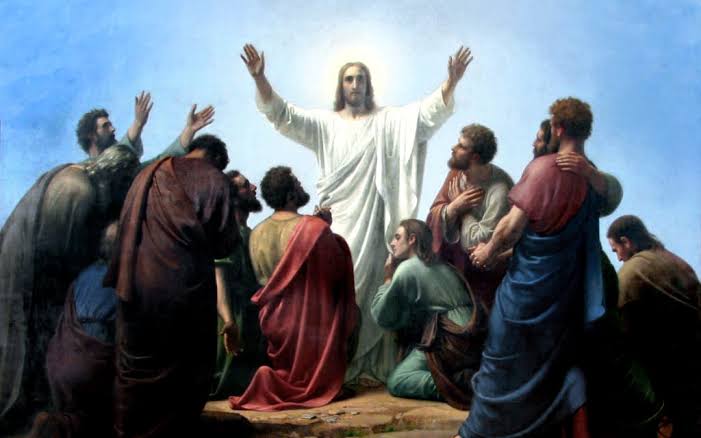

The Book of Acts provides a foundational narrative for the Christian faith, chronicling the explosive growth of the church in the weeks, months, and years following the ascension of Jesus Christ. Central to this narrative is the concept of koinonia, a Greek word often translated as “fellowship” or “community.” This was not merely social interaction but a deep, spiritual, and practical unity that bound the first believers together.
The Ideal of Communal Living in the Early Church
The fellowship of the early church was immediately characterized by a radical commitment to one another, expressed through shared purpose, resources, and spiritual life. This ideal is presented in Acts as a direct result of the Holy Spirit’s work among them.
(a) The Foundation of Fellowship: Communal Living and Shared Purpose
1. Setting the Stage: Unity in Leadership and Purpose (Acts 1:15-26)
Before the dramatic events of Pentecost, the very first act of the gathered community of approximately 120 believers was to address a leadership crisis. Judas Iscariot, one of the original twelve apostles, had betrayed Jesus and subsequently died, leaving a void in their foundational leadership.
Peter, stepping into his leadership role, addressed the community, grounding his reasoning in scripture. He articulated the need to select a replacement for Judas from among the men who had accompanied them throughout Jesus’s ministry. This was not a power play but a collective action to restore the integrity of the apostolic witness, symbolizing the twelve tribes of Israel. The community proposed two candidates, Joseph called Barsabbas and Matthias. Their method for the final decision was crucial: they prayed for divine guidance and then cast lots, a traditional method for discerning God’s will.
This episode is the first illustration of koinonia in action. It demonstrates a community united in:
- Shared Purpose: They understood their collective mission was to be witnesses to Christ’s resurrection.
- Submission to Scripture: Their actions were guided by what they understood to be the fulfillment of prophecy.
- Collective Decision-Making: The decision was made corporately, not by a single authoritarian leader.
- Reliance on God: Prayer and casting lots showed their ultimate dependence on God’s sovereignty to guide their path.
This act of restoring their leadership structure solidified their unity and prepared them for the mission that lay ahead.
2. The Outpouring of the Spirit and a New Community (Acts 2:41-47)
Following Peter’s sermon on the day of Pentecost, about three thousand people were baptized and joined the community. The narrative then immediately shifts to describe the quality of their new life together. This passage provides the most iconic description of early church fellowship.
The believers devoted themselves to four core activities: the apostles’ teaching, fellowship (koinonia), the breaking of bread (a term likely encompassing both shared meals and the Lord’s Supper), and prayer. This spiritual devotion had a tangible, economic expression: “And all who believed were together and had all things in common. And they were selling their possessions and belongings and distributing the proceeds to all, as any had need” (Acts 2:44-45).
This was not a mandated system of communism but a voluntary, spontaneous, and radical generosity fueled by their new faith. The unity they felt spiritually (“one heart and soul”) overflowed into a practical concern for each other’s physical well-being. This created a powerful witness, as the text notes they had “favor with all the people,” and their numbers grew daily.
3. A Deepened Commitment to Radical Sharing (Acts 4:32-37)
As the church grew and began to face external opposition, the description of their communal life is revisited and intensified. The text states, “Now the full number of those who believed were of one heart and soul, and no one said that any of the things that belonged to him was his own, but they had everything in common” (Acts 4:32).
This passage underscores several key aspects of their fellowship:
- Internal Unity: The phrase “one heart and soul” describes a profound level of empathy and shared identity.
- Voluntary Sacrifice: The believers voluntarily relinquished the concept of private ownership for the sake of the community’s needs.
- Organized Distribution: A system was established where proceeds from sold property were laid “at the apostles’ feet,” who then managed the distribution. This indicates a level of trust and organization.
The passage concludes with the positive example of Barnabas, a Levite from Cyprus, who sold a field he owned and brought the money to the apostles. He is presented as the ideal embodiment of this selfless spirit, a man whose actions perfectly reflected the community’s core ethos of sacrificial love.
Navigating the Problems of Community and Forging Solutions
The idealized portrait of the early church in Acts is quickly balanced by a realistic depiction of the internal challenges that threatened its integrity and unity. The community’s responses to these crises were formative.
(b) Internal Crises and Foundational Solutions
1. The Threat of Deception: Ananias and Sapphira (Acts 5:1-11)
Immediately following the laudable example of Barnabas, Luke presents a sobering counter-narrative. A married couple, Ananias and Sapphira, also sold a piece of property. However, they conspired to keep a portion of the proceeds for themselves while publicly presenting the remainder as the full amount, seeking the reputation for generosity without the corresponding sacrifice.
When Ananias presented the money, Peter, through divine insight, confronted him. “Ananias,” he asked, “why has Satan filled your heart to lie to the Holy Spirit?” Peter clarified that the sin was not in withholding money—the property and its proceeds were theirs to manage as they wished. The sin was the deception. They lied to God and the community, attempting to introduce hypocrisy into a fellowship built on integrity. Upon being confronted, Ananias fell down and died. Three hours later, his wife Sapphira, unaware of her husband’s fate, repeated the same lie and met the same end.
The solution to this problem was a swift and severe divine judgment. The outcome was that “great fear seized the whole church and all who heard of these things.” This event served two crucial purposes:
- It Purified the Church: It demonstrated in the starkest terms that sin and hypocrisy would not be tolerated within the community.
- It Instilled Reverence: It taught the believers to take their commitment to God and to one another with the utmost seriousness.
This terrifying incident protected the integrity of the church’s fellowship from the poison of internal deceit.
2. The Threat of Division: The Hellenistic Widows (Acts 6:1-6)
As the church continued to expand, it absorbed people from diverse cultural and linguistic backgrounds. This rapid growth led to a significant administrative and cultural problem. A complaint arose from the “Hellenists” (Greek-speaking Jews) that their widows were being neglected in the “daily distribution” of food, presumably in favor of the “Hebrews” (Aramaic-speaking Jews).
This was a critical threat to the church’s unity. The “one heart and soul” community was at risk of fracturing along cultural and linguistic lines. The apostles immediately recognized the gravity of the situation but also understood that managing food distribution would distract them from their primary calling of prayer and the ministry of the word.
Their solution was both pragmatic and spiritually wise:
- Delegation of Ministry: The apostles charged the congregation to select “seven men of good repute, full of the Spirit and of wisdom,” to whom they could entrust this important task.
- Establishment of a New Office: The community chose seven men (all of whom had Greek names, indicating a sensitivity to the aggrieved party), and the apostles prayed and laid their hands on them, formally commissioning them for this ministry. This event is widely seen as the origin of the office of deacon.
This solution was a landmark moment. It preserved the unity of the church by addressing a legitimate grievance, and it established a model of servant leadership and administrative delegation that allowed the apostles to remain focused on their spiritual priorities. The result was positive: “the word of God continued to increase, and the number of the disciples multiplied greatly in Jerusalem” (Acts 6:7). This demonstrates that solving practical problems effectively is essential for the spiritual health and growth of the church.
Conclusion
The fellowship of the early church, as chronicled in the Book of Acts, was a dynamic reality. It was marked by an inspiring ideal of spiritual unity that manifested in radical generosity and communal living. However, this ideal was not immune to the challenges of human nature and logistical complexity. The community was immediately tested by the internal threats of hypocrisy and division. Their response—combining divine discipline to ensure purity with wise, Spirit-led organizational structure to ensure equity and unity—provided a foundational model for the Church throughout history. These early accounts underscore that true Christian fellowship requires not only spiritual devotion but also unwavering integrity, practical wisdom, and a commitment to caring for every member of the community.
References
- Bruce, F. F. (1988). The Book of the Acts (New International Commentary on the New Testament). Eerdmans.
- Keener, C. S. (2012-2015). Acts: An Exegetical Commentary (4 vols.). Baker Academic.
- Stott, J. R. W. (1990). The Message of Acts: The Spirit, the Church & the World. Inter-Varsity Press.
- Witherington III, B. (1998). The Acts of the Apostles: A Socio-Rhetorical Commentary. Eerdmans.